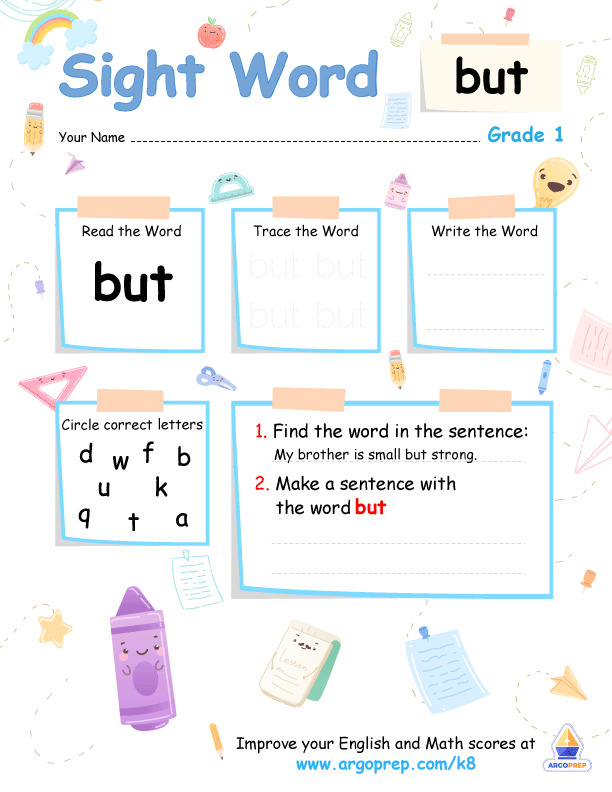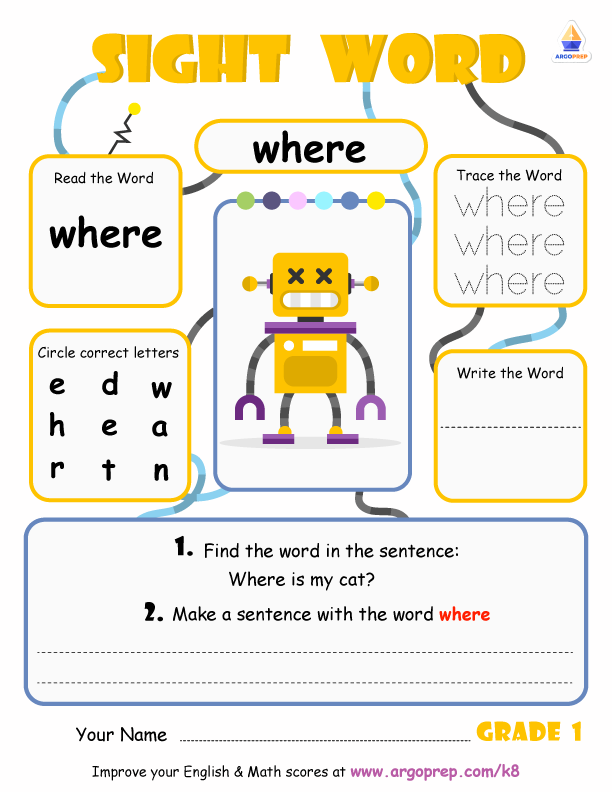

Students of all ages wonder how to get better at math. Improvement means different things for different learners. A multi-step approach is often necessary for students. For this reason, math games, for 1st grade especially, are very beneficial and effective. The hardest part for both parents and teachers is figuring out how to choose the best ones.
 Worksheets are generally not as bright or observation-based as the above examples. It only makes sense that they are not as effective as other more hands-on methods. Math games for 1st grade are the perfect way to tie down concepts. They are entertaining, engaging, and continue past physical and observational learning methods. Enjoying the learning process is an understated component of how to get better at math or any subject.
 Answer their questions and help them along if they ask for it, but don’t hand over the answers at the first sign of a struggle. Doing the work for your child will be extremely detrimental in the long run.
Secondly, practice positive reinforcement. Math can be frustrating, as we all know. Your child will have some issues solving problems if they are just starting and don’t fully know how. To get better at math, they don’t need to know that they’re doing a bad job. They need to be gently guided where necessary and congratulated on their successes. In the same vein, avoid math games where the rules involve penalties. Change them around if needed.
[subscribe=20543]
Finally, focus on having a good time. Remember that the goal is figuring out how to get better at math, but there’s no reason that it shouldn’t be a whole lot of fun. Don’t be shy with colors and interactive ideas. Play with different prize or reward systems. High-fives are a must! Have a little crafting party and make your own math game with your child. Quiz them as they go along. As the parent, you know what your child enjoys doing better than anyone, so incorporate those things as best you can. Some games may work better than others, so try some new ones if the others get old.
Answer their questions and help them along if they ask for it, but don’t hand over the answers at the first sign of a struggle. Doing the work for your child will be extremely detrimental in the long run.
Secondly, practice positive reinforcement. Math can be frustrating, as we all know. Your child will have some issues solving problems if they are just starting and don’t fully know how. To get better at math, they don’t need to know that they’re doing a bad job. They need to be gently guided where necessary and congratulated on their successes. In the same vein, avoid math games where the rules involve penalties. Change them around if needed.
[subscribe=20543]
Finally, focus on having a good time. Remember that the goal is figuring out how to get better at math, but there’s no reason that it shouldn’t be a whole lot of fun. Don’t be shy with colors and interactive ideas. Play with different prize or reward systems. High-fives are a must! Have a little crafting party and make your own math game with your child. Quiz them as they go along. As the parent, you know what your child enjoys doing better than anyone, so incorporate those things as best you can. Some games may work better than others, so try some new ones if the others get old.
Why Choose Games Over Worksheets?
Early math is taught through observation rather than chalk on a blackboard. Before the 1st grade, your child has learned numbers, colors, and shapes through physical examples. These examples may have been with items representing values, such as a group of marbles or other counters. It is also possible that they learned through illustrations, pictures, drawings, or what have you.
Worksheets are generally not as bright or observation-based as the above examples. It only makes sense that they are not as effective as other more hands-on methods. Math games for 1st grade are the perfect way to tie down concepts. They are entertaining, engaging, and continue past physical and observational learning methods. Enjoying the learning process is an understated component of how to get better at math or any subject.
What to Remember and Avoid with Math Games for 1st Grade
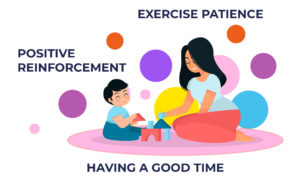
[workbook=12166][workbook=12183][workbook=14031]... When you’re creating, playing, or searching for math games for 1st grade, it’s important to remember a few things. Firstly, exercise patience. Math is a tough subject, regardless of how colorful and fun the activities are. Your child is probably not going to get everything right immediately. It’s going to take them several tries before they have concepts cemented. This is especially so if the game you choose or create includes concepts they are not familiar with yet. Let them take their time.
Answer their questions and help them along if they ask for it, but don’t hand over the answers at the first sign of a struggle. Doing the work for your child will be extremely detrimental in the long run.
Secondly, practice positive reinforcement. Math can be frustrating, as we all know. Your child will have some issues solving problems if they are just starting and don’t fully know how. To get better at math, they don’t need to know that they’re doing a bad job. They need to be gently guided where necessary and congratulated on their successes. In the same vein, avoid math games where the rules involve penalties. Change them around if needed.
[subscribe=20543]
Finally, focus on having a good time. Remember that the goal is figuring out how to get better at math, but there’s no reason that it shouldn’t be a whole lot of fun. Don’t be shy with colors and interactive ideas. Play with different prize or reward systems. High-fives are a must! Have a little crafting party and make your own math game with your child. Quiz them as they go along. As the parent, you know what your child enjoys doing better than anyone, so incorporate those things as best you can. Some games may work better than others, so try some new ones if the others get old.