
Whether to send a child to pre-k is a decision every parent has to make.
Different variables such as resources, location, and quality of education make this choice harder for some parents than others.
It is certainly not cheap, and while daycare centers are almost ubiquitous, preschools are hardly as numerous.
Considering these potential restraints, a good place to start is finding out what a pre-k education has to offer. Will children that attend preschool be more advanced than their non-tutored peers? Will they be more socially acclimated and make friends more easily?
We will answer these questions below. Hopefully, those answers will help you see what a pre-k education can do for your child.
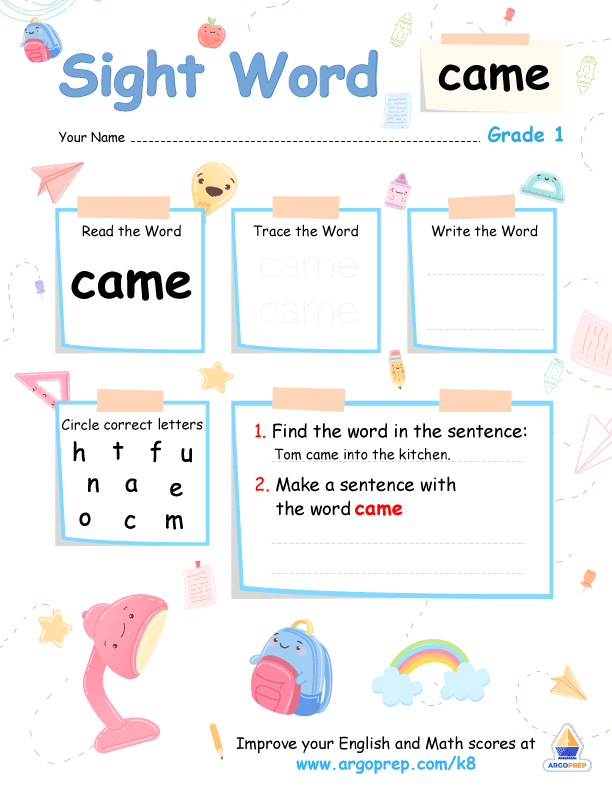
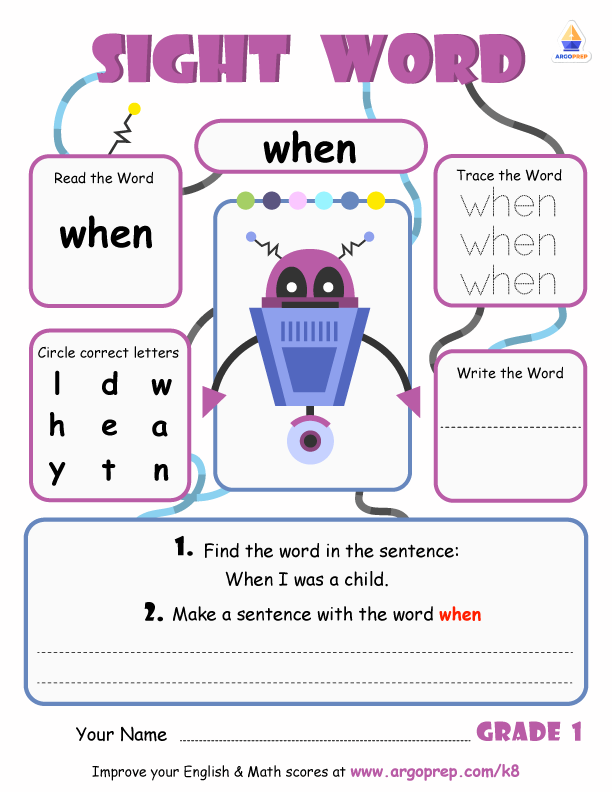
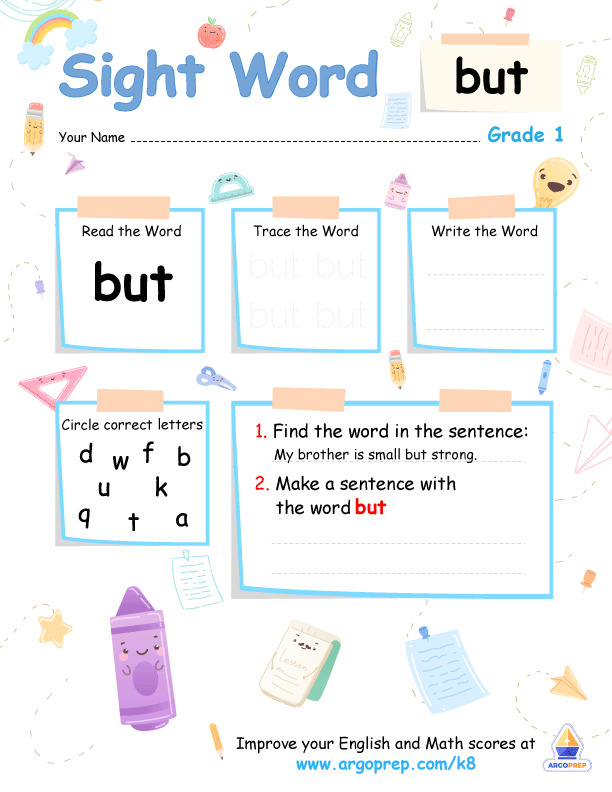
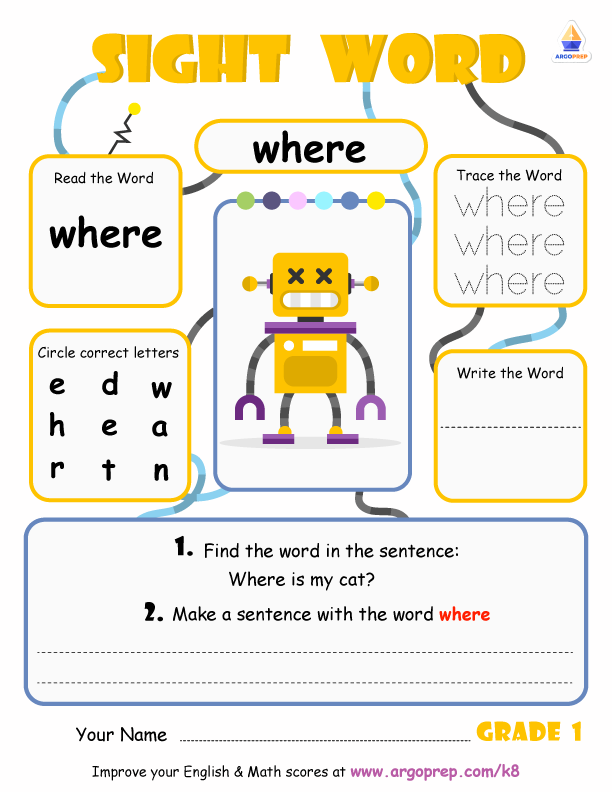
[workbook=16007][workbook=15994][workbook=12183]...
 Even if you received a pre-k education yourself, it is highly unlikely that you remember it.
Kids 4-5 years old attend pre-k, and anyone who can remember that far back has quite an impressive memory. It would be extremely impressive if you remembered any formal instruction.
Pre-k’s main educational focus is on creating a foundation for learning. The subjects covered in kindergarten and subsequent grade levels all follow from what is taught in a pre-k environment.
While there is no cookie-cutter curriculum that all pre-k institutions follow. There are three main skills pre-k students will develop: linguistic, mathematical, and social. By necessity, these skills develop in tandem with one another.
[subscribe=20543]
Even if you received a pre-k education yourself, it is highly unlikely that you remember it.
Kids 4-5 years old attend pre-k, and anyone who can remember that far back has quite an impressive memory. It would be extremely impressive if you remembered any formal instruction.
Pre-k’s main educational focus is on creating a foundation for learning. The subjects covered in kindergarten and subsequent grade levels all follow from what is taught in a pre-k environment.
While there is no cookie-cutter curriculum that all pre-k institutions follow. There are three main skills pre-k students will develop: linguistic, mathematical, and social. By necessity, these skills develop in tandem with one another.
[subscribe=20543]
 Rudimentary mathematical skills, such as counting, are one of the first things children learn about in pre-school. Sometimes, it really is as easy as one-two-three, and other times it is a bit more complex.
For example, some pre-k institutions teach days of the week and other calendar operations and proceed to challenge them with questions regarding time (i.e. How many months until September?). The absence of operation signs means this looks different from a traditional equation, but they are already becoming familiar with the abstract processes of addition and subtraction.
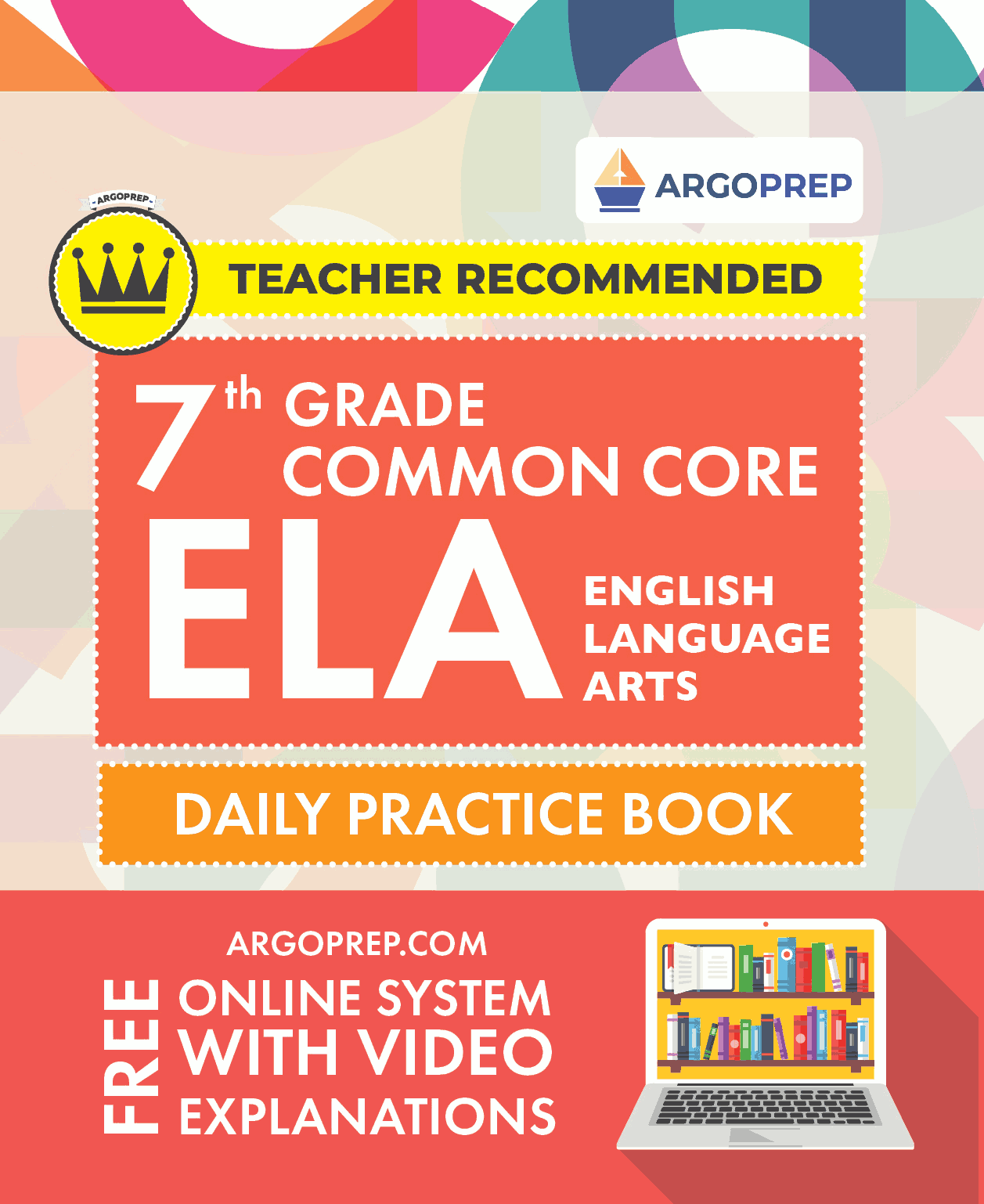
If you want to make sure your child is ahead as far as math skills go, purchase skill-based preschool workbooks. You might even consider signing up for an interactive program like ArgoPrep’s K-8 award-winning Math & ELA program. Many students hate math because they don't feel good at it early on. You can avoid this by helping your child develop an early love for numbers.
Rudimentary mathematical skills, such as counting, are one of the first things children learn about in pre-school. Sometimes, it really is as easy as one-two-three, and other times it is a bit more complex.
For example, some pre-k institutions teach days of the week and other calendar operations and proceed to challenge them with questions regarding time (i.e. How many months until September?). The absence of operation signs means this looks different from a traditional equation, but they are already becoming familiar with the abstract processes of addition and subtraction.
If you want to make sure your child is ahead as far as math skills go, purchase skill-based preschool workbooks. You might even consider signing up for an interactive program like ArgoPrep’s K-8 award-winning Math & ELA program. Many students hate math because they don't feel good at it early on. You can avoid this by helping your child develop an early love for numbers.
 Studies have demonstrated that those who attend pre-k have a significant advantage over others who do not. For example, mathematical achievement is higher for pre-k attendees, and correlations have been found suggesting that pre-k education results in improved academic achievement later on.
 Pre-k education is an indispensable resource for child development. The benefits are numerous, palpable, and long-lasting. While it may cost money as well as time in the form of travel, it will pay for itself in the future when your child exceeds in their studies.
If you are considering sending your child to preschool and have access to one, set up an appointment with their staff. Once you get to know them and have a good impression of their operation, enroll your child and send them on their life’s first real journey. It is always hard to let go of them for the first time – and though this experience will challenge you and your child alike, you will both emerge stronger from it.
Pre-k education is an indispensable resource for child development. The benefits are numerous, palpable, and long-lasting. While it may cost money as well as time in the form of travel, it will pay for itself in the future when your child exceeds in their studies.
If you are considering sending your child to preschool and have access to one, set up an appointment with their staff. Once you get to know them and have a good impression of their operation, enroll your child and send them on their life’s first real journey. It is always hard to let go of them for the first time – and though this experience will challenge you and your child alike, you will both emerge stronger from it.
Pre-K Education: What Topics are Covered?
Even if you received a pre-k education yourself, it is highly unlikely that you remember it.
Kids 4-5 years old attend pre-k, and anyone who can remember that far back has quite an impressive memory. It would be extremely impressive if you remembered any formal instruction.
Pre-k’s main educational focus is on creating a foundation for learning. The subjects covered in kindergarten and subsequent grade levels all follow from what is taught in a pre-k environment.
While there is no cookie-cutter curriculum that all pre-k institutions follow. There are three main skills pre-k students will develop: linguistic, mathematical, and social. By necessity, these skills develop in tandem with one another.
[subscribe=20543]
Language
Linguistic skills are developed in several ways, ranging from the establishment of literacy to teaching effective speech and communication. This is accomplished by reading as a group and independently, playing games, and peer interaction. Being proficient in language at this age benefits children because their familiarity with words makes a kindergarten curriculum easier to adjust to. It also makes communication with parents easier. You won’t always have to guess what your child is trying to say because they will be able to tell you more clearly.Math
Rudimentary mathematical skills, such as counting, are one of the first things children learn about in pre-school. Sometimes, it really is as easy as one-two-three, and other times it is a bit more complex.
For example, some pre-k institutions teach days of the week and other calendar operations and proceed to challenge them with questions regarding time (i.e. How many months until September?). The absence of operation signs means this looks different from a traditional equation, but they are already becoming familiar with the abstract processes of addition and subtraction.
If you want to make sure your child is ahead as far as math skills go, purchase skill-based preschool workbooks. You might even consider signing up for an interactive program like ArgoPrep’s K-8 award-winning Math & ELA program. Many students hate math because they don't feel good at it early on. You can avoid this by helping your child develop an early love for numbers.
Social Skills
Last but certainly not least, social skills see a significant increase during pre-k. For many children, it is their first time on their own. Though a teacher will be present, the child still finds themselves in an environment full of strangers and must learn to adapt. Much in the way that linguistic skills develop, games and social interactions lead to positive improvements in this category. This is one of the most beneficial aspects of pre-k education. Social ability makes the transition to kindergarten much easier for a child who has already conquered the challenge of being on their own.Pre-k Education: Is This Worth It?
As mentioned earlier, you must consider several factors before you sign your child up for pre-k. A mix of private and public pre-k institutions exist. Public schools usually cost much less than private ones – they may even be free. Not everyone has access to a preschool, and some may only have access to one out of their price range. However, should money, location, and available quality permit, pre-k education offers a host of benefits that should be taken advantage of.
Studies have demonstrated that those who attend pre-k have a significant advantage over others who do not. For example, mathematical achievement is higher for pre-k attendees, and correlations have been found suggesting that pre-k education results in improved academic achievement later on.
The Benefits
Disadvantaged children stand to benefit the most from attending pre-k. Since scarce resources and less social interaction may lower the quality of an educational environment, these children may enter kindergarten in a less favorable position. Pre-k offers them that educational environment. Full of books, friends, and new experiences, these children stand to gain where they otherwise may have lost, which may make all the difference for them, both in the distant and immediate future.In Conclusion
Pre-k education is an indispensable resource for child development. The benefits are numerous, palpable, and long-lasting. While it may cost money as well as time in the form of travel, it will pay for itself in the future when your child exceeds in their studies.
If you are considering sending your child to preschool and have access to one, set up an appointment with their staff. Once you get to know them and have a good impression of their operation, enroll your child and send them on their life’s first real journey. It is always hard to let go of them for the first time – and though this experience will challenge you and your child alike, you will both emerge stronger from it.