Increase Reading Comprehension Levels
Is your child
faltering in reading comprehension in school? Do you want your child to
develop successful reading skills to truly
thrive in a competitive school environment?
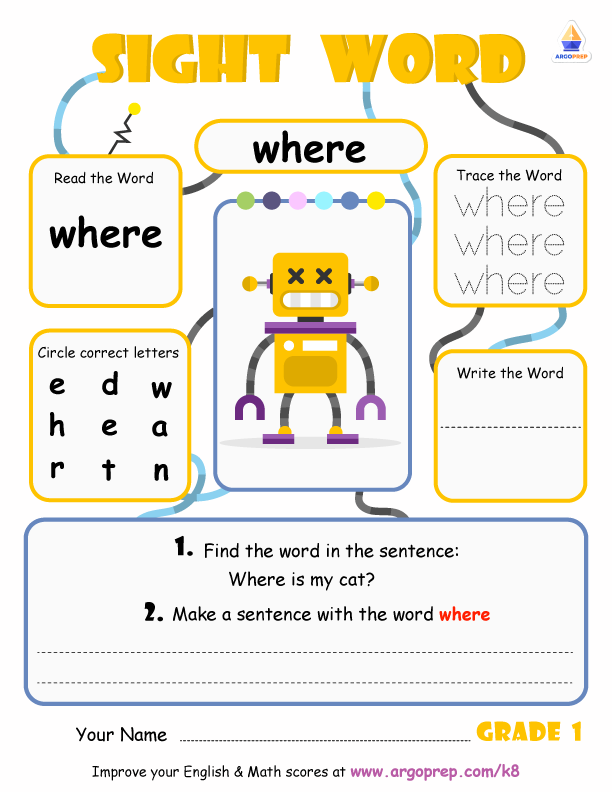
[workbook=15963][workbook=13474][workbook=13510]
Academic success is often
rooted in literacy. Helping your child read effortlessly and bringing them up to speed is imperative to succeed in the world today!
At every level of elementary school,
language complexity increases. Therefore, it's important for growing readers to
start early with picture books!
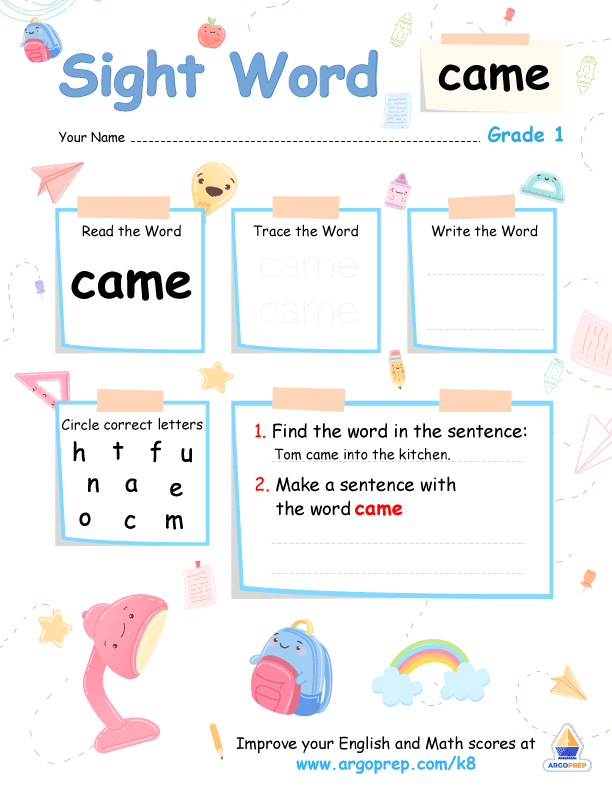
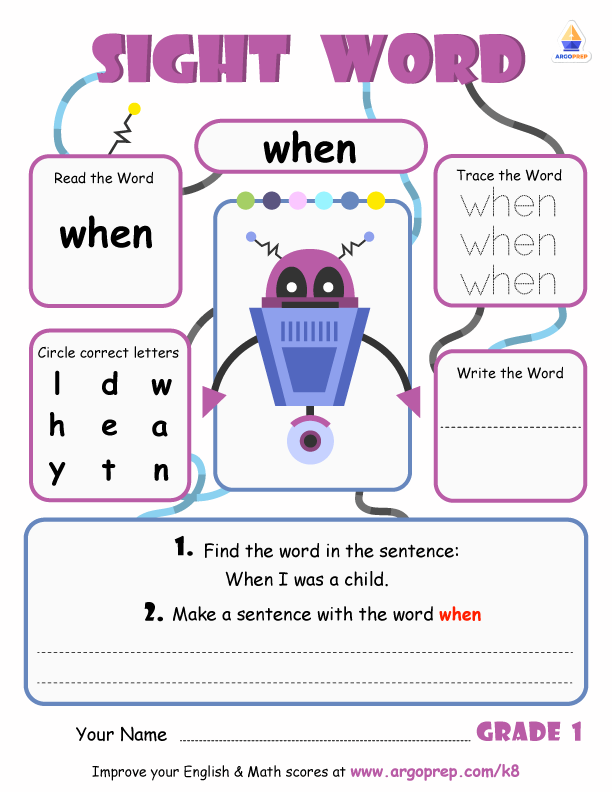
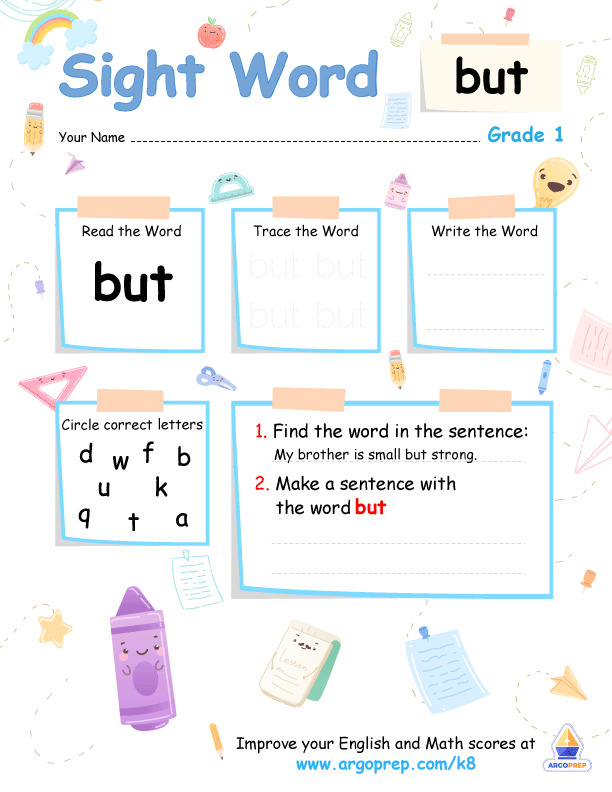
Activity books from ArgoPrep, a leading online education company in America, can help your child practice reading.
 For your child to achieve high scores in Math, English, Science, and Social Science, literacy skills need to develop to the point where reading feels automatic!
Overcoming
word recognition issues and
reading quickly for text comprehension is a must.
Since
reading is crucial to success in school at all levels, parents must step up their efforts to
strengthen reading comprehension in their children and encourage their
growth.
Here are 10 tips to sharpen reading comprehension skills in your early reader.
-
Guess the Mystery Words
You can read aloud to your child by
omitting mystery words, such as “because” and “always.” Try to
introduce clues about the mystery words in the text. For example, include the number of letters the word has or even the specific sound the word makes.
Play a
guessing game with your child and
celebrate solving the mystery with a final reading, asking your child to clap every time you read a certain word.

This game can be fun for you and your child. It is a
healthy way to read high-frequency words to your child. It also
promotes the retention of vocabulary and creates a fun atmosphere while learning.
-
Try and Personalize the Story Time
Ask your child to
narrate a brief personal anecdote to you while you write it down! Then, work together to read it aloud.
In the education world, this activity is called “Write a Story to Read a Story." Give your child some inspiration from a popular read-aloud!

-
Give Context
When your child reads something for the first time, it's best to
offer a bit of background knowledge and context about the book.
For instance, if you have just opened a copy of
Survived the American Revolution, 1776, talk to him or her about what America was during those times. Doing so will
create a background for the child when he or she reads ahead!
-
Discuss the Essential Words
As you are providing context for the book you are reading, talk about an
essential word your child might encounter in the text.
Illustrate the word with an example and a photograph that clarify its meaning. For example, if you are reading a book about the beach in summer, you could talk about “riptides” or “crustaceans”.
-
Children can be Reluctant Readers: Change That!
Sometimes children can be all about fun and therefore pay little attention to books. If your child
seems uninterested in reading, it's not necessarily because they do not like to read.
It could just be that they
do not like reading the books they have at home. Finding a
genre or subject that sparks a toddler's interest could be the key to capturing their attention.
Expose your child to many different stories and spur their adventurous imagination! If your child is wildly curious about outer space or animals, you can begin by offering them books that discuss these topics.

-
Cite Examples Outside of Books
Not all reluctant readers will enjoy books. There are
plenty of other ways to ensure that children read and improve their comprehension.
If your child wants to see a movie in the theater, ask them to
look up the movie times for you. When you want your child to help you with dinner, let them
select a recipe from your favorite cookbook and read the steps from there.
Encourage your child to read road signs, weather reports, store hours of operation, and emails from family and friends.
Incorporating reading outside of books can help kids improve their skills and enhance their abilities.
-
Teachers may not always know when students flounder with reading skills. Some children can
mask their troubles in group settings and are perhaps too
embarrassed to seek help for their reading difficulties.
Don’t wait until the problem snowballs into something major.
Monitor your child’s progress daily and stay ahead of potential reading issues before they surface.
-
Take that Time to Read
As parents,
take the time to read stories with your child. By reading together, you can discern whether he or she is struggling to recognize and sound out words or use context clues to determine the meaning of words they are unaware of.

If your child
asks questions pertaining to the book you are reading aloud, then they can comprehend the material.
Schedule meetings with the teachers in school and make them aware of the potential problem in order to start coming up with solutions to aid your child.
Work cooperatively to
address and identify learning gaps and
make improvements.
-
Never say Never
With
constant attention and care, some students can bring up their reading comprehension skills to a level that is appropriate for their year! Others may continue to struggle with reading in primary school and beyond.
If primary school students struggle with
reading comprehension, language skills, and spelling, attend to their problems immediately.
Never give up trying to make them better at reading. Your attitude may help encourage the right
momentum in your child to learn and perform better!
-
Put up a Reading Theater
You can
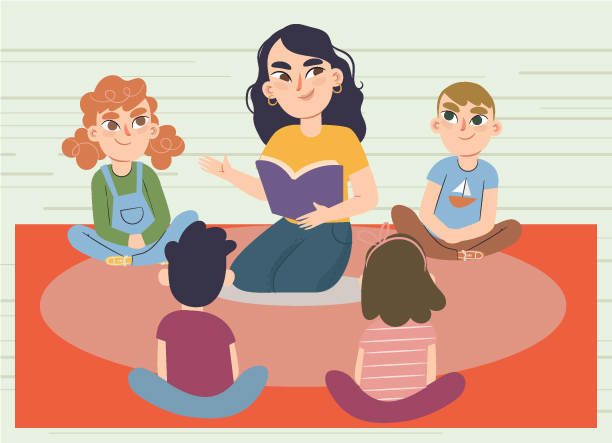
adopt certain classroom strategies at home. Assign roles to get the entire family involved in a book. Someone can play the stage director while others take turns playing other parts.

As everyone reads,
embrace your roles by acting them out. Children then have an
“extra-textual” discussion, improving their vocabulary and reading comprehension.
How to create the best reading comprehension process?
In the early elementary school years, from first to third grade, children continue learning how to read. Reading is a
complex process, and you must take care to ensure you
do not pressure your child while learning.
Reading must be a
leisure activity where pleasure and information intertwine in meaningful ways.
As parents, you can
provide reading materials at home that arouse curiosity and
create a natural interest within your child for the world.
[subscribe=20543]
By
promoting leisurely reading at home, you will have taken an
important step in fostering reading comprehension skills in your child.
Each child is unique. As a parent, you might be easily frustrated with your child’s
perceived lack of adequate progress with reading comprehension, even if he is learning at the right pace for his age.
The fact that one child can read by age five does not mean that another will be doing the same.
Each child’s brain is wired differently, and skillsets develop depending on how they interact and progress with the world around them.
This formation of your child's brain is
unique and contingent on factors that you cannot control!

Strategize and Improve your Child’s Reading Comprehension
Remember that your perception of your child falling behind in school may not be altogether accurate.
If you think your child
needs additional help and support with reading comprehension skills,
work closely with all stakeholders in the education process, and
be willing to participate in strategies that improve their skills.
Be a
good role model for your child. Keep reading yourself, and read to your child as well.
Use
varied reading material for your child’s reading enjoyment by catering to his or her
hobbies and interests. Establish a
reading time, even if it's just ten minutes each day.
Encourage
written responses, and write notes to your child. You can also ask your elder son or daughter to
bring a library book home to read to a younger sibling.
Establish one evening each week for reading, and encourage your child to
practice other reading-related activities such as elocution and poetry.
Your child should not be
ashamed or embarrassed by their difficulties and should feel comfortable asking for help.
The best thing to do is
strive to improve in a collaborative manner while supporting your child wholeheartedly.
Reading Comprehension Conclusion
Reading is an essential component of the child’s overall learning and development. Improving literacy, comprehension, and spelling skills will set them up for the next stage in life.
Remember, there’s always plenty that you can do to help your child learn and grow!