
When your children start to read, it can be a fun and exciting time! But just like training for a big race, children should be training their brains to become fast readers with the ability to understand the text as opposed to just identifying it. When children learn how to unscramble words, they can become more effective readers.
We cannot assume that we can sit a 2nd grader down with "To Kill a Mockingbird" and expect them to understand! We must build up to complex texts, just like training for a race.
There are many ways to excite children who are eager to learn how to read, and many of the best ways to teach them do not include sitting them in front of a challenging book. Instead, reading should be a fun challenge, and luckily there are many methods available to excite all children.
One of the best ways to teach children how to read (and understand!) is to give them words to unscramble.
What may appear pointless or straightforward to an adult is a highly engaging and useful tool for children.
Let this be your guide to understanding the importance of unscrambling wordplay for children's introduction to reading!
As children interact with word puzzles, their exposure to new words in context expands.
If you want to help your child become stronger readers, showing them the same 100 words over and over again is not going to produce the results you crave.
Instead, giving them new words, fill in the blanks, and definitions only are going to challenge them and ultimately teach them to be stronger readers.
 One of the primary goals of all education (in my opinion!) is giving children the skills to become expert critical thinkers. Yes, it's great when they can recite a sonnet from Shakespeare, but my goal is always to give them the ability to problem solve on the fly, in the real world.
That is why when children unscramble words, they are doing more than playing a game. They are stretching their brain to sort through possible solutions until arriving at the correct conclusion.
These critical thinking skills are invaluable and will help them visualize possible outcomes in the future.
One of the primary goals of all education (in my opinion!) is giving children the skills to become expert critical thinkers. Yes, it's great when they can recite a sonnet from Shakespeare, but my goal is always to give them the ability to problem solve on the fly, in the real world.
That is why when children unscramble words, they are doing more than playing a game. They are stretching their brain to sort through possible solutions until arriving at the correct conclusion.
These critical thinking skills are invaluable and will help them visualize possible outcomes in the future.
Children are Learning!
This point has a couple of important characteristics. Of course, when children unscramble words, they are learning, but what they are also doing is learning how to self-direct, becoming faster readers, and in result, improve their test scores.
When children can independently process through puzzles like unscrambling words, they can apply those skills to assessments and independent work in the classroom.
Students who process through puzzles are exercising their minds to quickly look at a scrambled word and piece out what the word is without delay.
These skills are crucial for development because they will be able to apply those skills to a multitude of tasks in school (and in life!).
 There are many ways to make unscrambling fun for your child. Think about the kind of unscrambling games that you have played and enjoyed in the past.
Games like hangman and word searches are a great way to excite your child and get them learning.
But you can also create your own words to unscramble. If your child has a vocabulary list through school, consider offering only the definitions paired with a scrambled word. They must match the word to the definition and then unscramble the word.
These challenges can help them study and reinforce proper spelling since they have all of the letters directly in front of them!
If you find that your child needs more practice to meet grade-level standards, consider adding an additional supplemental workbook to their daily practice.
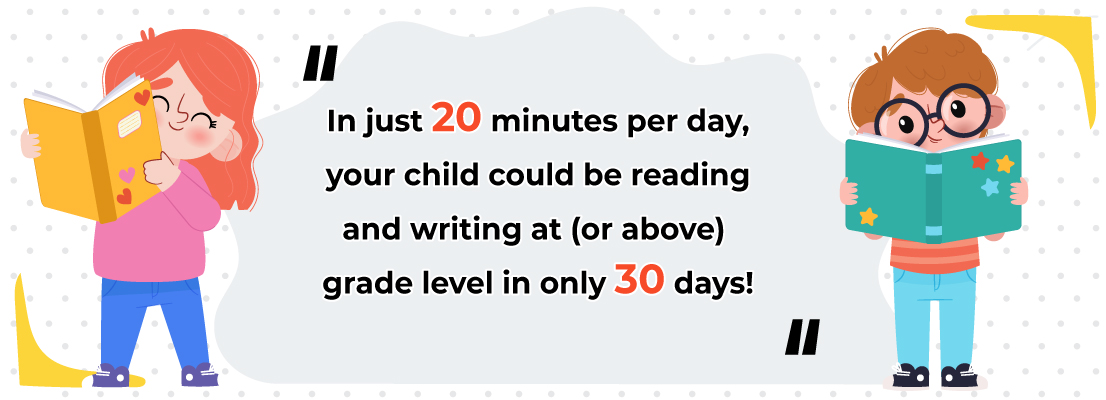
In just 20 minutes per day, your child could be reading and writing at (or above) grade level in only 30 days!
Sounds too good to be true? It's not! With ArgoPrep's comprehensive programs for all ages, children all over the world are learning and understanding better than before.
There are many ways to make unscrambling fun for your child. Think about the kind of unscrambling games that you have played and enjoyed in the past.
Games like hangman and word searches are a great way to excite your child and get them learning.
But you can also create your own words to unscramble. If your child has a vocabulary list through school, consider offering only the definitions paired with a scrambled word. They must match the word to the definition and then unscramble the word.
These challenges can help them study and reinforce proper spelling since they have all of the letters directly in front of them!
If you find that your child needs more practice to meet grade-level standards, consider adding an additional supplemental workbook to their daily practice.
In just 20 minutes per day, your child could be reading and writing at (or above) grade level in only 30 days!
Sounds too good to be true? It's not! With ArgoPrep's comprehensive programs for all ages, children all over the world are learning and understanding better than before.
The Value of Puzzling Your Child
Whenever I am out exploring something new with my daughter, I try to remind myself that I am not in charge of being her personal tour guide. Let me explain. There once was a time when we were allowed to go to the aquarium (Pre-COVID-19 days). At the aquarium, I enjoy looking at the sea creatures just as much as anybody, but I already knew what certain fish looked like, how an octopus moved, etc. My daughter, on the other hand, was laying down the foundation as she was experiencing it. In these situations, it's my job to let her do the talking and exploring. Not every question needs a correct answer from me. Not every observation needs a correction. When we allow children to explore, question, and sort for themselves, we are giving them lifelong learning skills that will serve them well. Just like the aquarium, when learning to read, children don't need to be reminded that we already know how to read. Kids like a good puzzle! And this is no different when it comes to word puzzles. That's why when children unscramble words, they are doing more than playing a game. There are countless benefits to word puzzles, but here are a few to consider: Extending Their Vocabulary
As children interact with word puzzles, their exposure to new words in context expands.
If you want to help your child become stronger readers, showing them the same 100 words over and over again is not going to produce the results you crave.
Instead, giving them new words, fill in the blanks, and definitions only are going to challenge them and ultimately teach them to be stronger readers.
Developing Critical Thinking Skills
One of the primary goals of all education (in my opinion!) is giving children the skills to become expert critical thinkers. Yes, it's great when they can recite a sonnet from Shakespeare, but my goal is always to give them the ability to problem solve on the fly, in the real world.
That is why when children unscramble words, they are doing more than playing a game. They are stretching their brain to sort through possible solutions until arriving at the correct conclusion.
These critical thinking skills are invaluable and will help them visualize possible outcomes in the future.
Improving Spelling
When you ask a child to unscramble words, they are required to have a basic idea of the correct spelling of the word. After all, a word is not correctly unscrambled if there is a leftover y or m.Using Sight Words for Good!
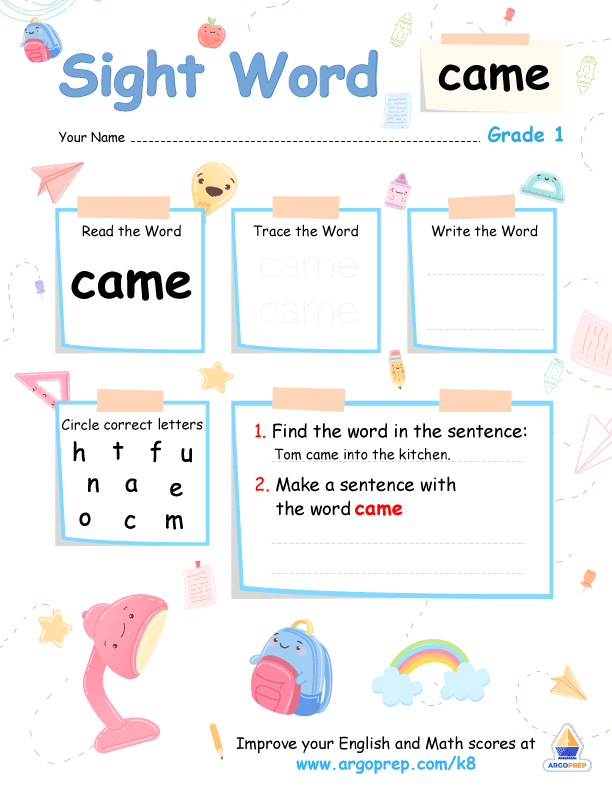
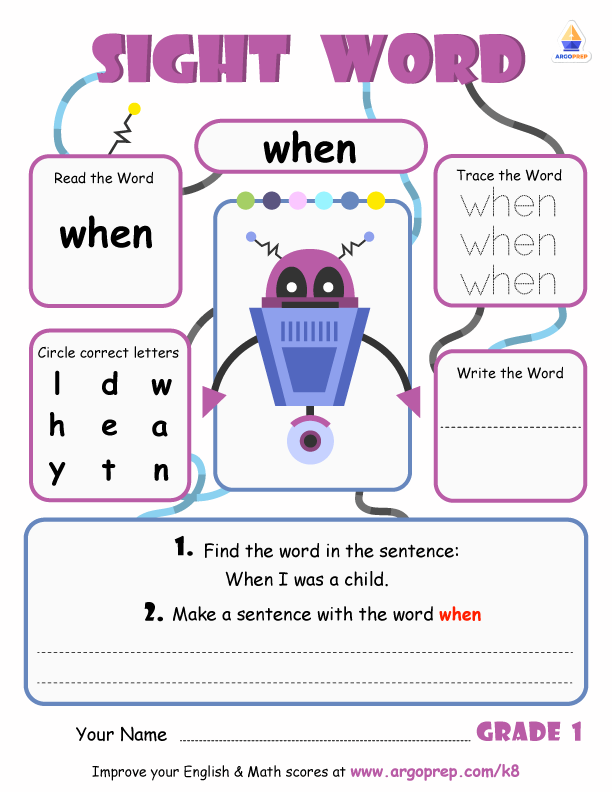
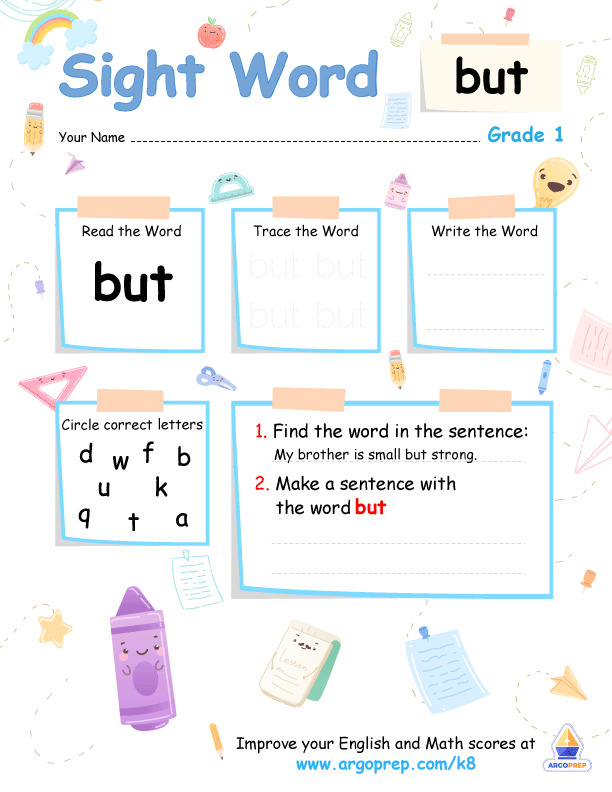
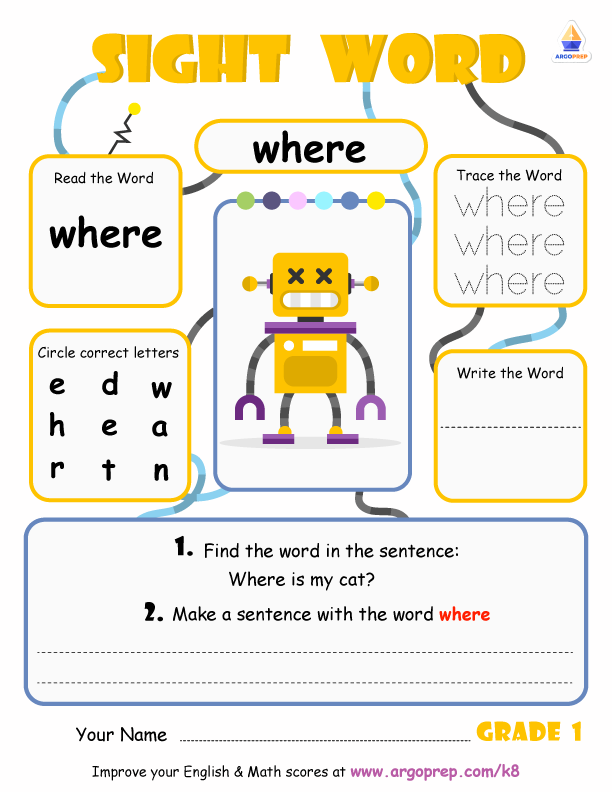
This goes back to sight words. The crash course lesson in sight words is this: Children have a list of words each year that they should be able to identify while reading. These sight words will increase in difficulty as children age; however, these lists are generated through observing the most common terms used in age-appropriate literature. This means that if your child can read the sight words, then they are on track to becoming a strong reader... In theory. When a child unscrambles a word, they can apply their knowledge of sight words and practice those skills! When they are looking at words that they should know by the end of the school year, they have to say, "hmm I think I've seen this word before, I think it's barnyard, but there isn't an e in barnyard like I thought..". Even though words are scrambled, children have to think about what they know, unscramble, and apply their knowledge to the letters to spell it correctly.Children are Learning!
This point has a couple of important characteristics. Of course, when children unscramble words, they are learning, but what they are also doing is learning how to self-direct, becoming faster readers, and in result, improve their test scores.
When children can independently process through puzzles like unscrambling words, they can apply those skills to assessments and independent work in the classroom.
Students who process through puzzles are exercising their minds to quickly look at a scrambled word and piece out what the word is without delay.
These skills are crucial for development because they will be able to apply those skills to a multitude of tasks in school (and in life!).
👉🏻 Click HereDid you know we have a Words Scrambler Generator?
Making Unscrambling Fun!
There are many ways to make unscrambling fun for your child. Think about the kind of unscrambling games that you have played and enjoyed in the past.
Games like hangman and word searches are a great way to excite your child and get them learning.
But you can also create your own words to unscramble. If your child has a vocabulary list through school, consider offering only the definitions paired with a scrambled word. They must match the word to the definition and then unscramble the word.
These challenges can help them study and reinforce proper spelling since they have all of the letters directly in front of them!
If you find that your child needs more practice to meet grade-level standards, consider adding an additional supplemental workbook to their daily practice.
In just 20 minutes per day, your child could be reading and writing at (or above) grade level in only 30 days!
Sounds too good to be true? It's not! With ArgoPrep's comprehensive programs for all ages, children all over the world are learning and understanding better than before.